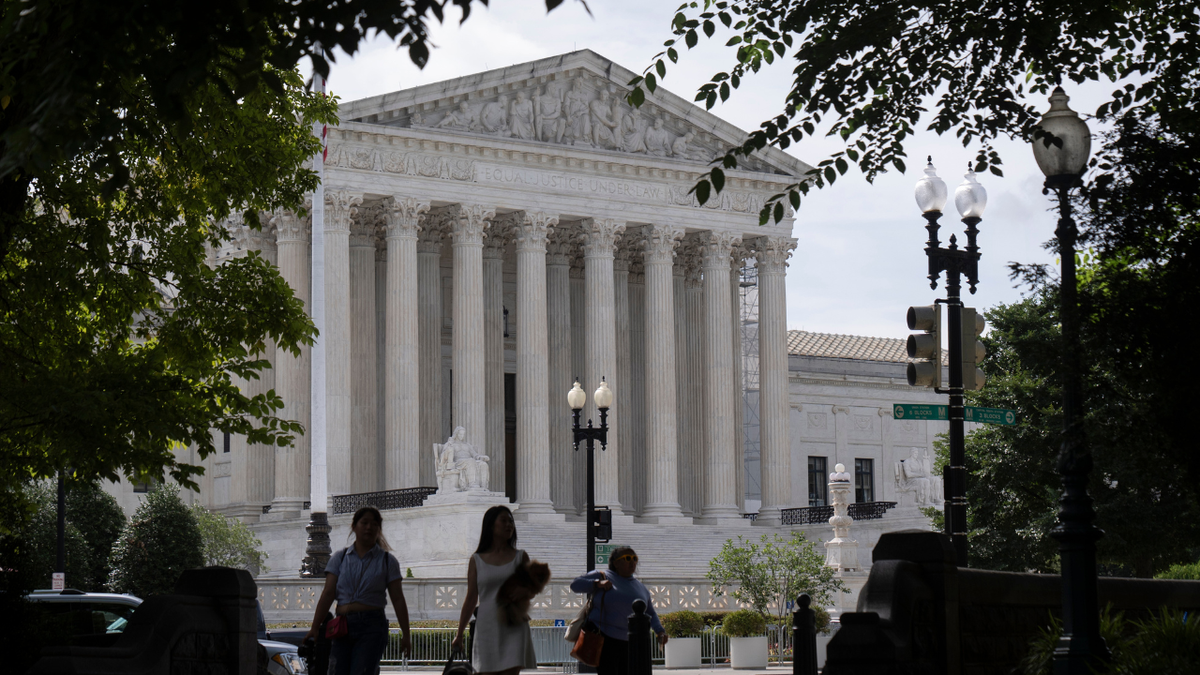
The Virginia Supreme Court is at the center of a high-stakes constitutional clash over a voter-approved congressional map that appears to benefit Democrats. The case doesn’t just question the fairness of political boundaries—it tests the limits of judicial authority, public mandate, and whether voter-driven reforms can survive legal scrutiny when outcomes favor one party.
With 11 U.S. House seats on the line, the map’s implications stretch beyond state borders, potentially influencing national power dynamics. But the court’s decision could set a precedent on how directly courts should intervene when voters approve a map through constitutional means—even if it yields partisan advantage.
The Origins of the Voter-Approved Map
In 2020, Virginia voters approved a constitutional amendment creating an independent redistricting commission. The measure was born from widespread frustration over decades of partisan gerrymandering by both Democrats and Republicans. The goal was clear: let citizens, not politicians, draw fair district lines.
But the process unraveled in 2021. The bipartisan commission deadlocked along party lines, triggering a constitutional fallback—Virginia’s Supreme Court would appoint special masters to draw the maps. The justices tapped retired judges, who ultimately crafted a congressional map that, while more competitive than past versions, still tilted toward Democratic candidates.
In the 2022 and 2024 elections, Democrats won 7 of 11 congressional seats under this map—despite the statewide popular vote being nearly even. Republicans argue this outcome reveals partisan bias. Democrats counter that the map reflects population density and urban-rural divides, not manipulation.
Legal Challenges and the Current Case
The current lawsuit, Coalition for Fair Redistricting v. Virginia Independent Redistricting Commission, argues the map violates the state constitution’s requirement for “equal representation” and “compact and contiguous districts.” Plaintiffs—mostly Republican lawmakers and conservative advocacy groups—claim the court-drawn map intentionally packed Republican voters into fewer districts, diluting their statewide influence.
Their central argument: the special masters, though judicially appointed, produced a map with demonstrable Democratic lean, violating both the spirit and letter of the redistricting amendment. They’re asking the Virginia Supreme Court to block the map and order new districts drawn—either by a reconstituted commission or through an alternative process.
But there’s a twist: the map was not drawn by politicians. It was crafted by retired judges under the court’s supervision and has already been used in two federal election cycles. Overturning it now risks undermining public trust in judicial processes and finality in election administration.
Legal experts are divided. Some say the court has a duty to correct constitutional violations, regardless of timing. Others warn that invalidating an active map mid-cycle—especially one born from a judicial remedy to legislative failure—sets a dangerous precedent of judicial overreach.
Why the Map Favors Democrats
The current map’s Democratic lean isn’t due to traditional gerrymandering tactics like “cracking” or “packing” in the extreme. Instead, it reflects Virginia’s demographic reality. The state’s most populous regions—Northern Virginia, Richmond, and Hampton Roads—are heavily Democratic. Drawing compact, contiguous districts naturally clusters Democratic voters in urban and suburban hubs.
For example: - Virginia’s 8th District, centered on Arlington and Alexandria, is one of the most reliably Democratic in the nation. - The 3rd District, covering Norfolk and parts of Virginia Beach, leans Democratic due to high Black voter turnout and urban density. - Meanwhile, Republican strength is spread across rural and exurban districts, which are more numerous but less populated.
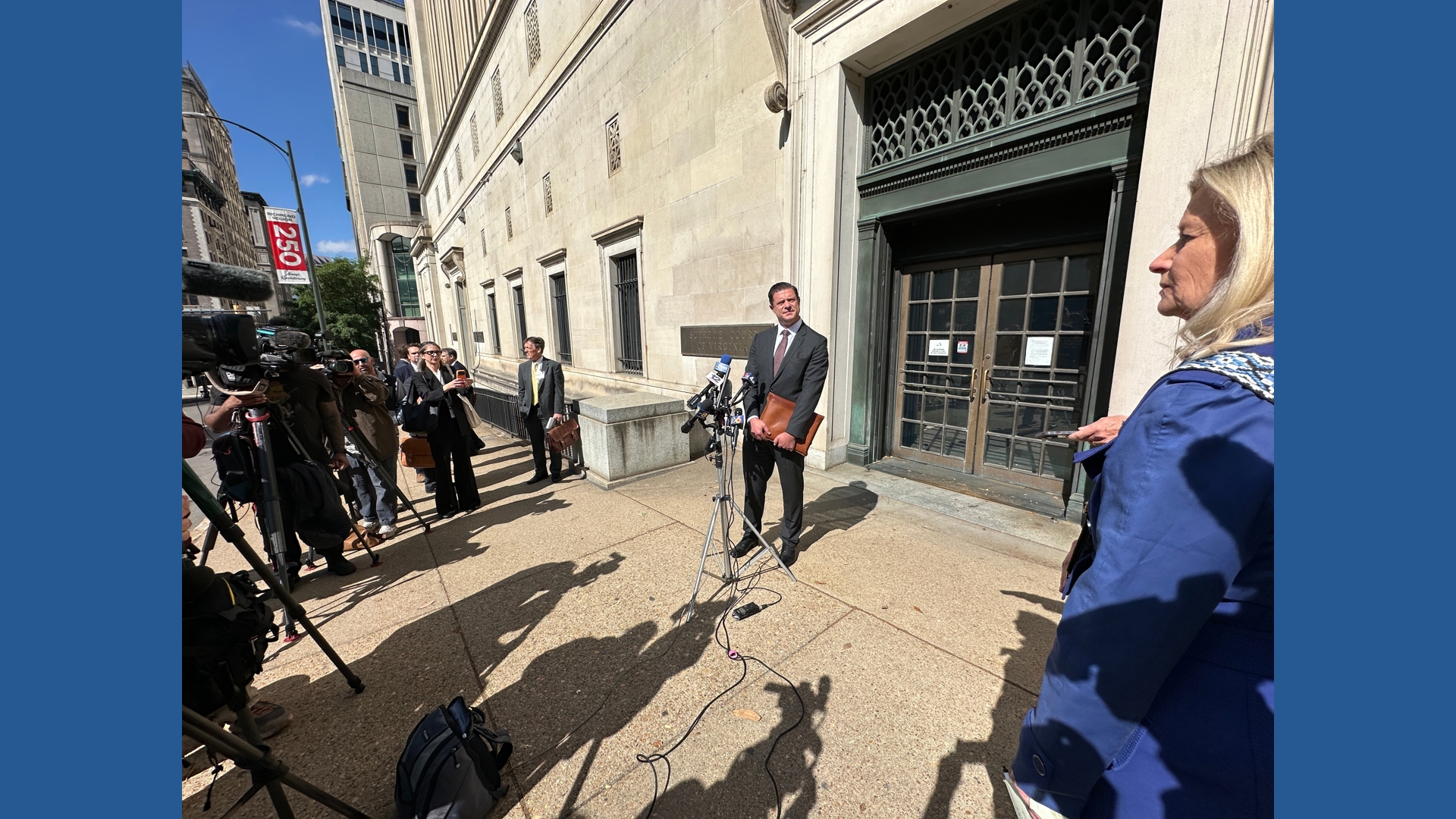
Statistical analyses, including the efficiency gap and mean-median difference, show a modest Democratic advantage—around 3-4 percentage points. That’s less skewed than most pre-2020 Virginia maps, which heavily favored Republicans.
Still, critics argue the special masters could have drawn more competitive districts. They point to the 7th District, where a slight boundary adjustment could shift an apparent Democratic edge into a true toss-up. But mapmakers say they prioritized compliance with the Voting Rights Act and community integrity over manufactured competitiveness.
The Role of the Virginia Supreme Court
- The court’s decision carries weight far beyond redistricting. It must answer three key questions:
- Does a partisan outcome, even if modest, invalidate a court-drawn map created under constitutional authority?
- Can the court second-guess its own appointees after elections have been conducted?
- What role should voter intent play when the process was designed to remove politics from redistricting?
The court’s composition adds complexity. After years of Democratic legislative majorities, the bench now includes several justices appointed under Republican leadership following a 2024 shift in the Virginia Senate. The ideological balance is delicate.
During oral arguments, justices probed the tension between procedural legitimacy and substantive fairness. One justice asked, “If we strike down a map drawn by our own appointees, based on the outcome rather than the process, aren’t we injecting politics back into a system we tried to fix?”
That question cuts to the heart of the controversy. The court must decide whether to uphold a process designed to eliminate gerrymandering—even if the result still leans toward one party—or intervene based on perceived inequity.
Implications for Future Redistricting
A ruling to block the map could destabilize Virginia’s redistricting framework. If the court invalidates a judicial remedy to a failed bipartisan commission, future deadlocks may lead to prolonged litigation or legislative power grabs.
Conversely, upholding the map reinforces the idea that fair process matters more than partisan symmetry—especially when the alternative is political gridlock.
Other states are watching closely. Virginia’s experiment with court fallback mechanisms is rare. Most states revert to legislatures or independent commissions without judicial map-drawing. If Virginia’s model survives, it could inspire similar reforms elsewhere. But if the court overturns the map, it may deter states from relying on courts as neutral arbiters.
There’s also the voter trust factor. Two election cycles have been run under this map. Millions of Virginians have voted, candidates have campaigned, and results have been certified. Reversing that now could fuel claims of “election subversion”—from both sides.
What Fair Redistricting Really Means
The debate over this map reveals a deeper confusion about what “fair” redistricting looks like. Many assume fairness means equal partisan outcomes—50% of seats for 50% of votes. But that’s rarely possible in representative democracies with geographic sorting.
Virginia is a purple state with blue cities and red countryside. Any map reflecting real population clusters will produce some imbalance. The real test isn’t perfect symmetry—it’s whether districts are drawn without intentional manipulation.
The current map passes that test under most neutral criteria: - Compactness scores are high - Municipal splits are minimized - Communities of interest are preserved - Minority representation meets federal standards
Where it fails, critics say, is in competitive balance. But competitiveness isn’t a constitutional requirement in Virginia. Intent to discriminate is. And no evidence has emerged that the special masters sought to harm Republicans—their instructions emphasized neutrality.
Practical Risks of Mid-Cycle Map Changes

Even if the court finds fault with the current map, implementing a new one poses logistical nightmares.
Consider: - Voter rolls would need reassignment—potentially displacing hundreds of thousands - Candidates may have already qualified under old district rules - Local election offices would face a scramble to update ballots, precincts, and polling locations - The 2026 election timeline is already in motion
Federal law and court precedents generally discourage mid-decade redistricting unless constitutional violations are clear and egregious. The Supreme Court has repeatedly ruled that partisan gerrymandering claims are non-justiciable at the federal level. While Virginia’s constitution allows such challenges, the bar for intervention remains high.
Disrupting elections after multiple cycles risks more harm than the perceived inequity it aims to fix. That’s why many election administrators and good-government groups urge the court to let the current map stand, regardless of partisan tilt.
A Path Forward: Fixing the Process, Not the Outcome
The real failure in Virginia wasn’t the map—it was the redistricting commission’s inability to function. The constitutional amendment assumed bipartisan cooperation was possible. It wasn’t.
Instead of focusing on one map’s outcome, Virginia should reform the commission process: - Require supermajority agreements, not simple majorities - Add nonpartisan facilitators to break deadlocks - Set clearer map-drawing criteria before the next cycle - Allow public submissions and algorithmic drafts to inform decisions
The current legal fight is a symptom of a deeper flaw: relying on goodwill in a hyperpolarized system. The solution isn’t judicial micromanagement—it’s structural improvement.
Conclusion: Uphold the Process, Learn from the Flaws
The Virginia Supreme Court should reject efforts to block the current congressional map. It was drawn through a constitutionally sound process, follows neutral criteria, and has already governed two federal elections. While it leans Democratic, that reflects Virginia’s political geography—not malice or manipulation.
Overturning it now would do more to erode trust than to restore fairness. The court’s role isn’t to guarantee partisan parity, but to ensure the rules are followed. On that measure, the current map stands.
The better course? Let this map run its course and fix the broken commission process before 2030. Real reform doesn’t come from invalidating outcomes—it comes from building systems that work, even when politics gets messy.
FAQ
Why is the Virginia Supreme Court involved in drawing maps? Because the bipartisan redistricting commission deadlocked in 2021, the state constitution transferred map-drawing authority to the Supreme Court, which appointed special masters to create the districts.
Does the current map violate the U.S. Constitution? No federal court has ruled it does. Challenges have focused on the Virginia Constitution, particularly clauses on equal representation and compact districts.
How many seats do Democrats hold under the current map? Democrats hold 7 of Virginia’s 11 U.S. House seats, though statewide vote shares are nearly even.
Could the court order new maps before 2026? Technically yes, but it’s unlikely due to the logistical disruption and lack of clear constitutional violation.
Is this considered gerrymandering? Most experts say no—it’s a moderately biased map shaped by demographics, not extreme manipulation like cracking or packing.
What happens if the court blocks the map? The legislature or a new commission could redraw it, but only if time and legal constraints allow—otherwise, chaos in election planning is likely.
How does Virginia’s process compare to other states? Few states give courts direct map-drawing power. Most use commissions, legislatures, or political fallbacks—making Virginia’s approach unique and closely watched.
FAQ
What should you look for in Virginia Supreme Court Weighs Fate of Democrat-Favored House Map? Focus on relevance, practical value, and how well the solution matches real user intent.
Is Virginia Supreme Court Weighs Fate of Democrat-Favored House Map suitable for beginners? That depends on the workflow, but a clear step-by-step approach usually makes it easier to start.
How do you compare options around Virginia Supreme Court Weighs Fate of Democrat-Favored House Map? Compare features, trust signals, limitations, pricing, and ease of implementation.
What mistakes should you avoid? Avoid generic choices, weak validation, and decisions based only on marketing claims.
What is the next best step? Shortlist the most relevant options, validate them quickly, and refine from real-world results.